Best child doctor in Siliguri
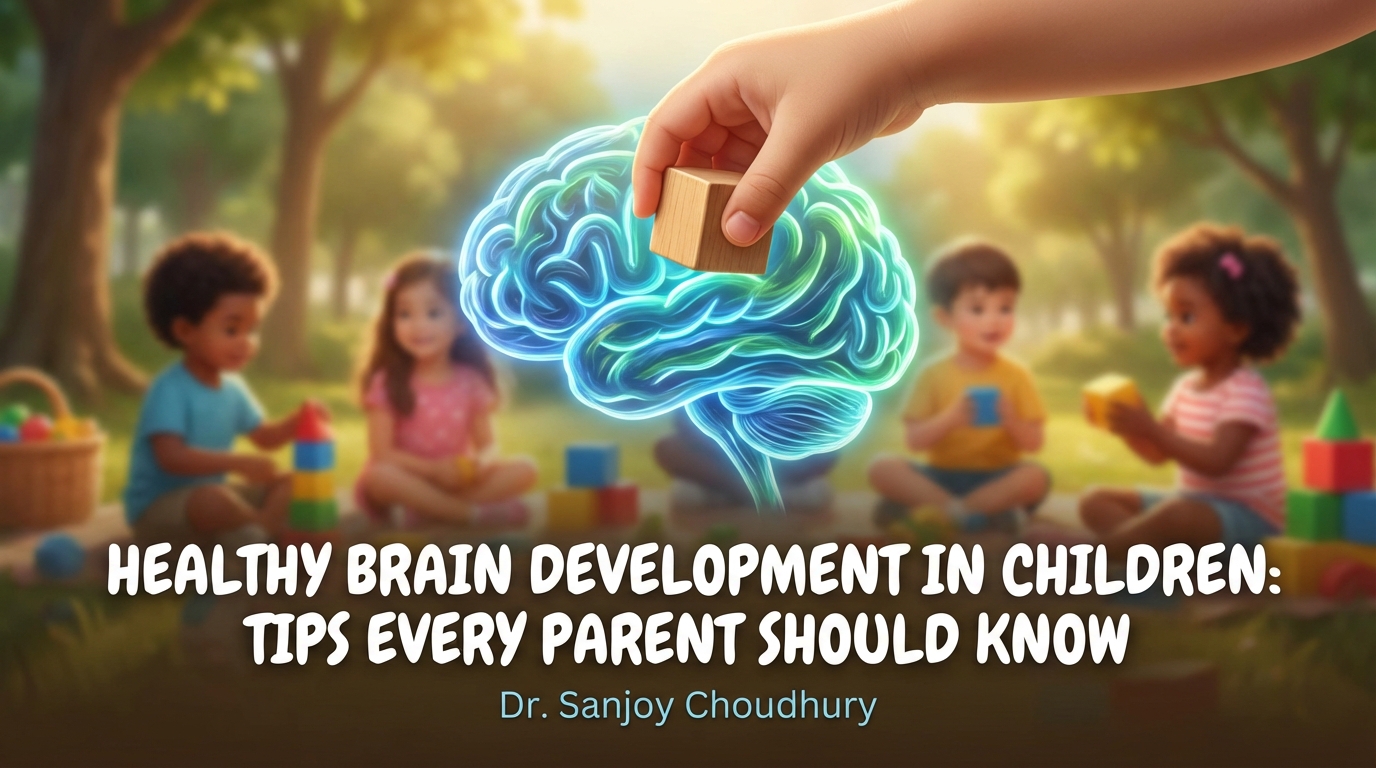
The early years of a child’s life are incredibly important for growth and learning. During this stage, a child’s brain develops rapidly, forming millions of neural connections that shape their ability to think, learn, communicate, and interact with the world. Understanding child brain development helps parents create the right environment for their children to grow into healthy and confident individuals.
Parents often wonder how they can support their child’s mental and cognitive development. The good news is that simple daily activities such as proper nutrition, emotional support, play, and early learning can significantly influence a child’s brain development. With the right pediatrician advice, families can ensure that their children receive the best possible start in life.
In this article, we will explore the importance of the first five years, key factors influencing brain development, and when parents should consult a pediatrician.
The Importance of the First Five Years
The first five years of a child’s life are often referred to as the foundation years. During this period, a child’s brain grows faster than at any other time in life. In fact, by the age of five, about 90% of the brain’s development has already taken place.
This stage is crucial because the brain is forming connections that support important skills such as language, memory, emotional control, and problem-solving abilities. Positive experiences, love, and stimulation help strengthen these neural connections.
Parents play a major role during this stage. Talking to children, reading stories, playing games, and encouraging curiosity all contribute to healthy cognitive development. A safe and supportive environment allows children to explore and learn naturally.
If parents notice delays in speech, learning, or behavior, seeking guidance from a trusted pediatrician such as Dr. Sanjoy Choudhury can help identify the issue early and provide appropriate support.
The Role of Nutrition in Brain Development
Nutrition is one of the most important factors affecting a child’s brain growth. The brain requires essential nutrients to develop properly and support cognitive functions.
Some key nutrients that promote healthy brain development include:
Protein: Helps build brain cells and supports overall growth. Sources include eggs, milk, lentils, and lean meats.
Omega-3 Fatty Acids: Important for memory and learning. Foods like fish, walnuts, and flaxseeds are rich in omega-3.
Iron: Essential for oxygen transport to the brain and preventing developmental delays. Iron-rich foods include spinach, beans, and fortified cereals.
Zinc and Iodine: Support brain cell development and hormonal balance.
Vitamins A, B, C, and D: Important for neurological health and immune system support.
Breastfeeding in the early months also plays a vital role in supporting brain development. As children grow, introducing a balanced diet with fruits, vegetables, whole grains, and healthy proteins helps ensure they receive all the nutrients required for cognitive growth.
Parents should avoid excessive junk food and sugary snacks, as they may negatively impact concentration and overall health.
The Importance of Stimulation and Early Learning
A child’s brain develops through interaction and stimulation. Everyday activities can help strengthen cognitive skills and improve learning ability.
Here are some simple ways parents can stimulate brain development:
Talking and Listening: Regular conversations with children improve language development and communication skills.
Reading Books: Reading stories helps build vocabulary, imagination, and comprehension.
Play-Based Learning: Games, puzzles, and creative activities encourage problem-solving and critical thinking.
Music and Art: Exposure to music and drawing can stimulate creativity and enhance emotional development.
Physical Activity: Movement and play support coordination and brain-body connection.
Children learn best through play and exploration. Encouraging curiosity and allowing children to ask questions helps develop their thinking abilities.
Emotional Support and Brain Development
Emotional well-being plays a critical role in brain development. Children who feel loved, safe, and supported tend to develop stronger cognitive and social skills.
Positive parenting practices such as encouragement, patience, and understanding help build a child’s confidence. On the other hand, constant stress, neglect, or negative environments can affect brain growth and emotional stability.
Parents should spend quality time with their children, listen to their feelings, and provide reassurance when needed. Emotional bonding strengthens neural connections that influence behavior and learning.
Signs Parents Should Not Ignore
While every child develops at their own pace, certain signs may indicate developmental delays. Early detection is important because timely intervention can greatly improve outcomes.
Parents should consult a pediatrician if they notice:
- Delayed speech or language development
- Difficulty maintaining eye contact
- Poor social interaction with others
- Lack of interest in playing or learning
- Trouble remembering simple instructions
- Frequent behavioral issues
Seeking guidance from an experienced pediatrician can help identify developmental challenges early and ensure the child receives proper care and support.
When to Consult a Pediatrician
Regular pediatric checkups are essential for monitoring a child’s physical and cognitive development. Pediatricians evaluate growth milestones, nutrition, behavior, and learning abilities during these visits.
Parents in North Bengal often rely on experienced specialists such as Dr. Sanjoy Choudhury, widely recognized as one of the best child doctors in Siliguri, for professional guidance on child health and development.
A pediatrician can provide personalized advice on:
- Proper nutrition for children
- Developmental milestones
- Vaccination schedules
- Behavioral and learning concerns
- Early intervention strategies
Regular consultations ensure that children receive timely care and support throughout their growth journey.
Final Thoughts
Healthy brain development is the foundation for a child’s future success. The early years provide a unique opportunity for parents to nurture learning, emotional well-being, and cognitive growth.
By focusing on balanced nutrition, positive stimulation, and a supportive environment, parents can significantly influence their child’s development. Regular pediatric checkups also help ensure that any developmental concerns are addressed early.
With the right care, guidance, and expert pediatrician advice, children can grow into confident, healthy individuals ready to explore the world around them.
FAQ’s
1. Why are the first five years important for brain development?
The first five years are crucial because the brain forms most of its neural connections during this period, shaping learning and behavior for life.
2. What foods support brain development in children?
Foods rich in protein, omega-3 fatty acids, iron, and vitamins—such as eggs, fish, fruits, vegetables, and whole grains—help support healthy brain growth.
3. How can parents stimulate their child’s brain development?
Reading, playing interactive games, talking with children, encouraging creativity, and providing emotional support all help stimulate brain development.
4. When should parents consult a pediatrician about development?
Parents should seek pediatric advice if they notice delays in speech, learning, social interaction, or behavioral changes.
5. Who is a trusted pediatrician for child health in Siliguri?
Many families consult Dr. Sanjoy Choudhury for guidance on child development, nutrition, and overall pediatric care.